Common Animals Removed by Professional Wildlife Control Services
Wildlife control services help remove common animals like raccoons, squirrels, bats, and birds safely and effectively, with local contractors ready to handle the job.
Homeowners and property managers often encounter various animals that find their way into residential and commercial spaces, leading to potential concerns about safety, damage, and hygiene. Understanding which animals are commonly removed by professional wildlife control services can help individuals recognize when expert assistance is needed and ensure the problem is handled effectively. Whether dealing with rodents, raccoons, or birds, local service providers are equipped to address these issues safely and efficiently, helping to restore peace of mind and protect property.
Exploring this topic is especially relevant for those who notice signs of animal intrusion or want to prevent future occurrences. Many property owners turn to experienced wildlife control contractors to handle the removal of common animals, ensuring that the job is done in a humane and responsible manner. Keep reading to learn more about the types of animals typically removed by professionals and how local experts can support property owners in managing these common wildlife challenges.
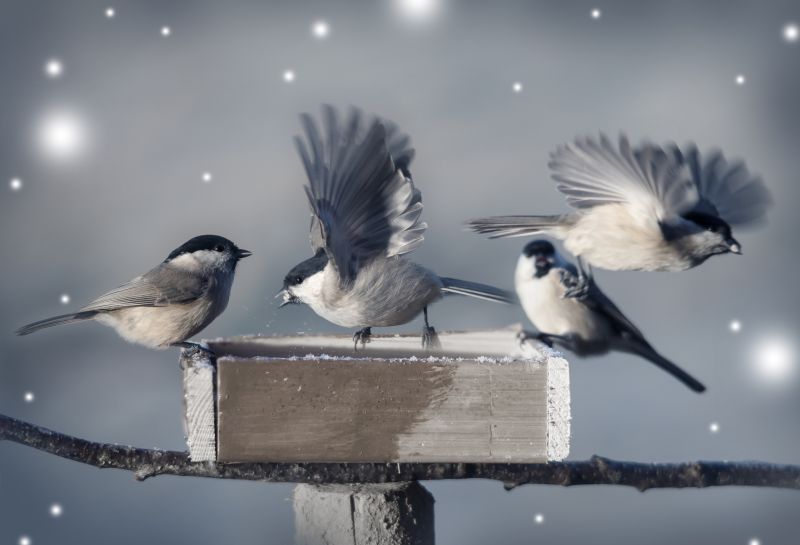
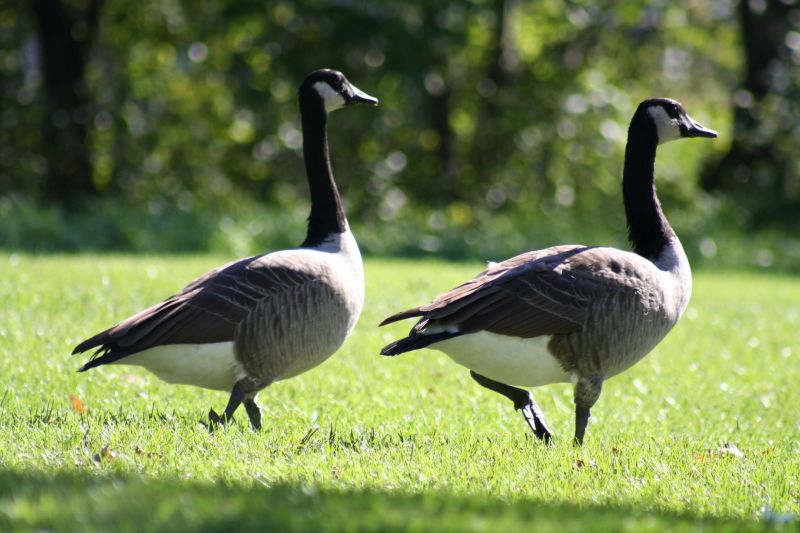
- Birds - when birds have nested in attics or chimneys, local contractors can safely remove them and prevent future entry points.
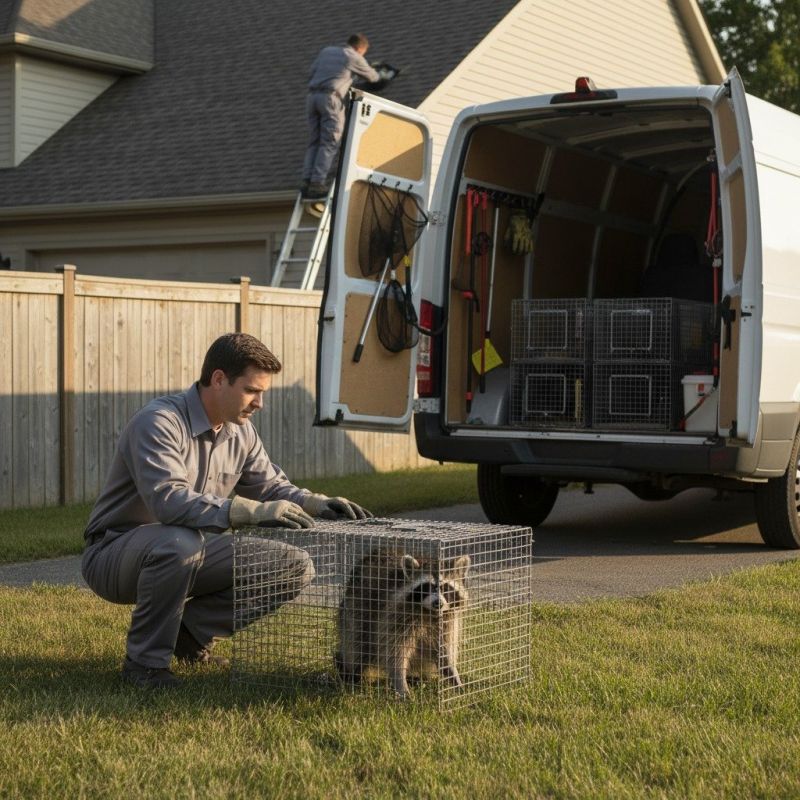
- Raccoons - if raccoons are found in trees, crawl spaces, or rooftops, wildlife control specialists can humanely trap and relocate them.
- Squirrels - squirrels inside walls or attics require professional removal to prevent damage and entry into living spaces.
- Skunks - when skunks are spotted under decks or sheds, local service providers can handle their removal and odor control.
- Bats - bat colonies in attics or eaves need expert removal to ensure safe exclusion and to protect the structure.
When people search for information about common animals removed by professional wildlife control services, they are usually seeking guidance on which types of animals are frequently encountered and handled by experts. This topic often arises when homeowners notice unusual activity around their property, such as noises in the attic, droppings, or damage to structures. Understanding which animals are commonly removed helps property owners recognize potential issues early and appreciate the importance of professional intervention. It also clarifies that certain animals, like raccoons or squirrels, can cause significant property damage or health concerns if left unaddressed, making professional removal a practical step.
This subject relates to a variety of problems and plans that homeowners may have when dealing with unwanted wildlife. For example, many seek removal services to prevent property damage, eliminate health risks associated with animal waste or bites, or simply to restore peace and quiet. Wildlife control professionals often develop plans that involve humane trapping, exclusion, and property repairs to prevent animals from returning. Recognizing which animals are typically involved helps homeowners understand the scope of the work and the importance of professional expertise in safely and effectively resolving these issues.
The types of properties that usually come up in discussions about wildlife removal include residential homes, especially those with attics, basements, or crawl spaces that provide easy access for animals. Commercial buildings, farms, and outbuildings are also common sites where wildlife can become a problem. In residential settings, the focus is often on animals that invade living spaces or storage areas, while in larger properties, the concern may extend to animals nesting in sheds, barns, or other structures. Local service providers are familiar with the unique challenges each property type presents and can tailor their approaches to ensure effective removal and property protection.
Understanding the common animals removed by professional wildlife control services helps homeowners see how these services fit into larger property management and safety plans. Whether dealing with raccoons in the attic, squirrels in the walls, or bats roosting in eaves, local contractors have experience handling these situations humanely and efficiently. They can assess the property, identify the specific animals involved, and implement targeted solutions to remove the wildlife and prevent future issues. Connecting with experienced service providers ensures that property owners can address wildlife concerns promptly and effectively, minimizing damage and health risks associated with unwanted animal intrusion.
Bird Control Services - professionals who handle bird removal often use similar techniques to remove nesting animals from buildings and prevent future infestations.
Rodent Exclusion Projects - rodent control experts utilize planning and trapping skills that are applicable when managing small animal removals like squirrels or raccoons.
Attic and Crawl Space Cleanouts - these projects require knowledge of animal entry points and damage mitigation, aligning with common wildlife removal tasks.
Wildlife Damage Repair - repairing structural damage caused by animals involves understanding animal behaviors and entry habits similar to wildlife control services.
Nest Removal and Prevention - removing nests and installing barriers are common steps in both bird control and broader wildlife removal projects.
Animal Trapping and Relocation - trapping techniques used for wildlife removal are directly applicable to managing various common animals removed by professional services.
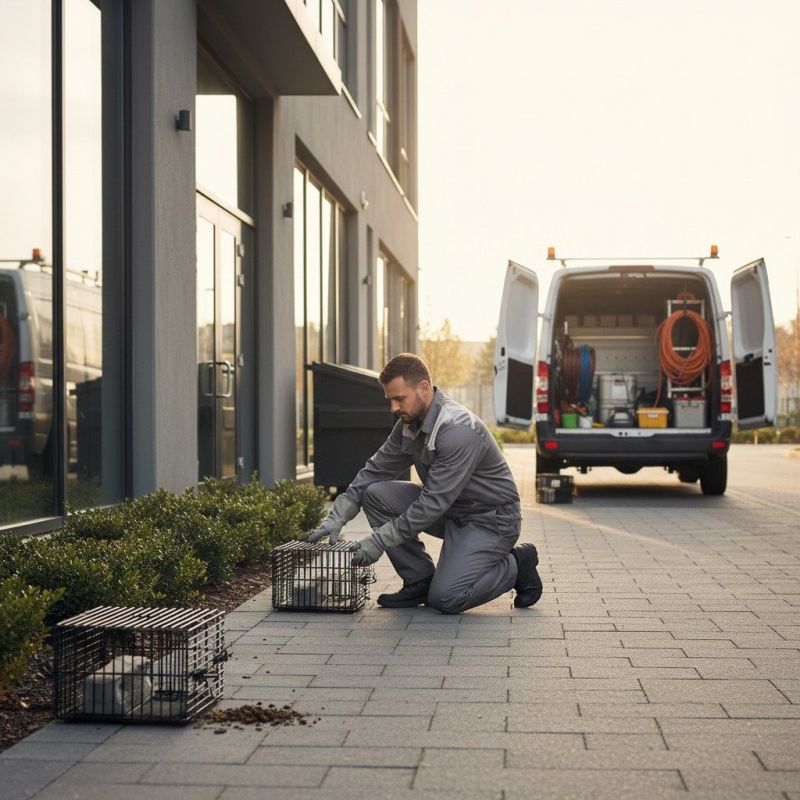
When comparing wildlife control service providers, it is important to consider their experience with similar projects involving common animals removed by professional wildlife control services. Homeowners should inquire about how long the providers have been handling wildlife issues specific to their region and the types of animals they have successfully managed in the past. An experienced contractor will typically have a better understanding of effective removal techniques and the nuances of dealing with different species, which can lead to more efficient and humane solutions.
Clear written expectations are essential when evaluating potential service providers. Homeowners should seek detailed explanations of the scope of work, including the methods used for animal removal, any repairs or exclusions needed afterward, and the guarantees or warranties offered on their work. Having well-defined expectations helps ensure that both parties are aligned on the process and reduces the likelihood of misunderstandings or surprises during or after the project.
Reputable references and good communication are key indicators of reliable wildlife control services. Homeowners are encouraged to ask for references from previous clients who faced similar wildlife challenges. Additionally, the ability of a service provider to communicate clearly, answer questions thoroughly, and provide updates throughout the process reflects professionalism and dedication to customer service. These qualities can help build confidence that the chosen contractor will handle the removal of common animals efficiently and responsibly.
Property owners often search for common animals removed by professional wildlife control services when they are planning practical projects around their homes and businesses. Local pros provide Wildlife Control services for everyday jobs and straightforward project options.
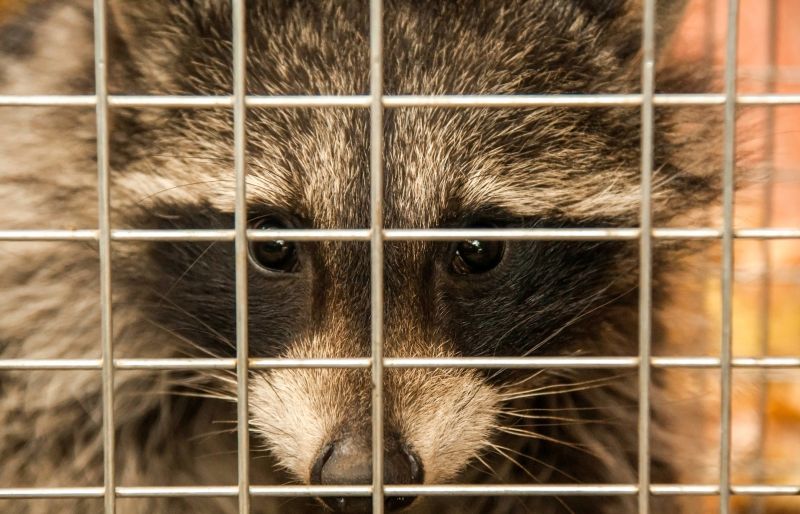
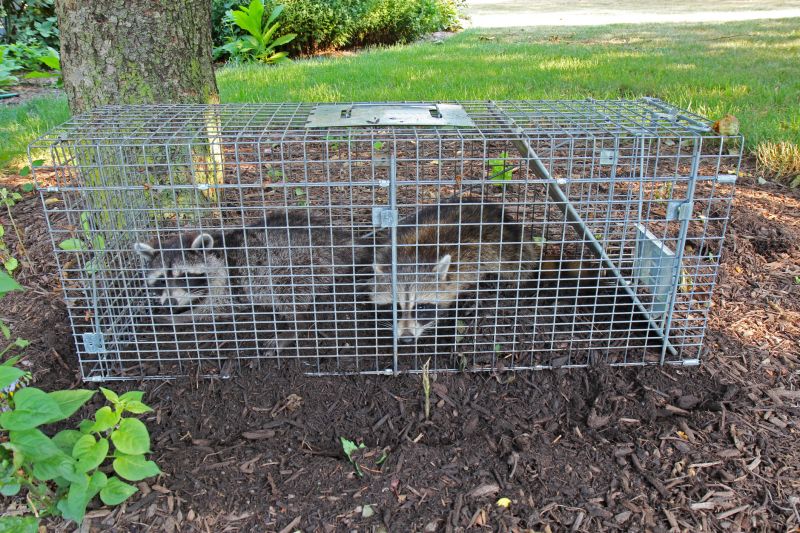
Homeowners often encounter situations where wildlife animals have taken up residence on their property, prompting the need for professional removal services. Common animals removed by professional wildlife control services include raccoons, squirrels, bats, and birds, which may find shelter in attics, chimneys, or wall cavities. Property owners might seek out local contractors to handle these situations efficiently, especially when animals pose health risks, cause property damage, or create noise disturbances. Engaging experienced wildlife control providers can help ensure that these animals are removed safely and humanely, reducing the risk of further issues down the line.
Many property owners look into wildlife removal options when they notice signs like droppings, chewed wiring, or unusual noises. Animals such as raccoons and squirrels are known for nesting in hard-to-reach areas, while bats often roost in attics or eaves. Local service providers are equipped to handle these common scenarios, offering humane removal and exclusion solutions. Connecting with local contractors experienced in wildlife control can provide peace of mind, helping to restore safety and comfort to residential or commercial spaces while preventing future wildlife intrusions.
What are some common animals removed by professional wildlife control services? Wildlife control services frequently handle animals such as raccoons, squirrels, bats, skunks, and birds that may invade homes or properties.
Why do wildlife control services often remove raccoons and squirrels? Raccoons and squirrels are common animals removed by professional wildlife control services because they often seek shelter in attics, walls, and other structures, causing damage and potential health concerns.
Are bats a typical target for wildlife control professionals? Yes, bats are among the common animals removed by professional wildlife control services, especially when they roost in buildings or other structures, which can pose health risks.
What types of animals do wildlife control services usually remove from yards or gardens? Wildlife control services often remove animals like skunks, groundhogs, and certain bird species that may cause disturbances or damage to outdoor spaces.
Can wildlife control services help with bird-related issues? Yes, professional wildlife control providers frequently assist with removing nuisance birds such as pigeons, starlings, and swallows that may nest in or around buildings.
Identify common animals removed by professional wildlife control services - property owners can learn which animals are frequently handled by local contractors to better understand potential issues on their property.
Assess entry points for common animals removed by professional wildlife control services - inspecting and sealing openings can prevent future wildlife intrusions, with guidance from local experts.
Implement exclusion techniques for common animals removed by professional wildlife control services - installing barriers and deterrents can help keep unwanted animals away, supported by advice from local service providers.
Plan maintenance routines to prevent re-infestation of common animals removed by professional wildlife control services - regular inspections and repairs can reduce the likelihood of animals returning, with assistance from local contractors.
If you are thinking about common animals removed by professional wildlife control services for a property, this guide is meant to help you understand this topic, the typical project types, and how different options might fit your plans.
When you are ready, you can use the quote form on this page to share a few details about your project. From there, local pros can review the basics and follow up with options that match what you have in mind.