Seasonal Wildlife Issues Homeowners Should Watch For
Homeowners dealing with seasonal wildlife issues should seek help from local service providers who can safely remove animals and prevent future intrusions.
Homeowners exploring seasonal wildlife issues should know that certain animals tend to become more active during specific times of the year, often seeking shelter or food around residential properties. Recognizing these patterns can help prevent common problems such as property damage, unwanted pests, or safety concerns. Local contractors experienced in wildlife removal can provide valuable assistance in identifying and addressing these seasonal challenges, ensuring that homes remain secure and free from unexpected intrusions.
Understanding what wildlife issues to watch for as seasons change empowers property owners to take proactive steps before minor concerns escalate into major repairs or hazards. Whether it’s animals seeking warmth in colder months or searching for nesting sites during breeding seasons, local service providers are equipped to handle seasonal wildlife concerns effectively. Keeping informed about these issues and connecting with trusted professionals can make managing wildlife-related risks a straightforward part of seasonal home maintenance.
- Bird nesting season - homeowners should watch for signs of birds building nests in eaves or vents, with local contractors offering removal and prevention services.
- Rodent activity in fall - as temperatures drop, rodents seek shelter indoors, and local service providers can help identify entry points and remove infestations.
- Squirrel activity during spring - squirrels become active and may nest in attics or chimneys, with local pros performing humane removal and sealing entry points.
- Bats emerging in summer - bats leaving roosts can create concerns, and local contractors can assist with safe exclusion and cleanup.
- Wildlife crossings in late fall - animals moving to winter habitats may cause property damage, with local experts providing humane exclusion and habitat modification services.
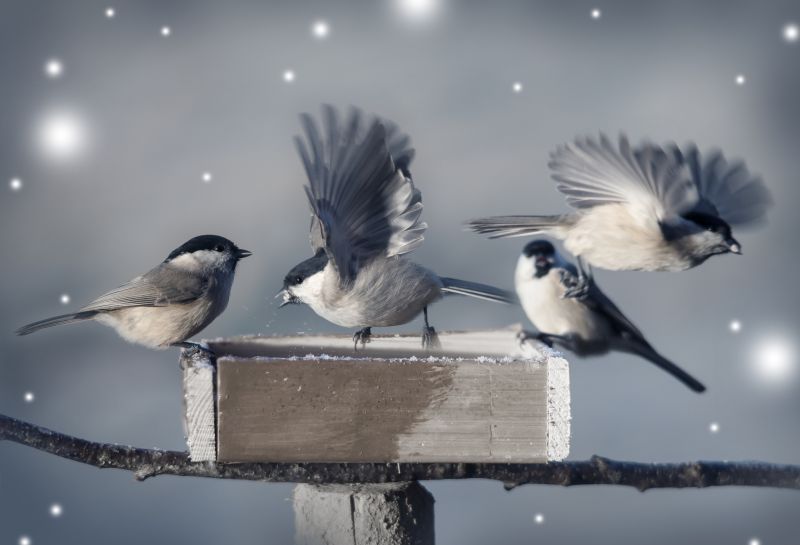
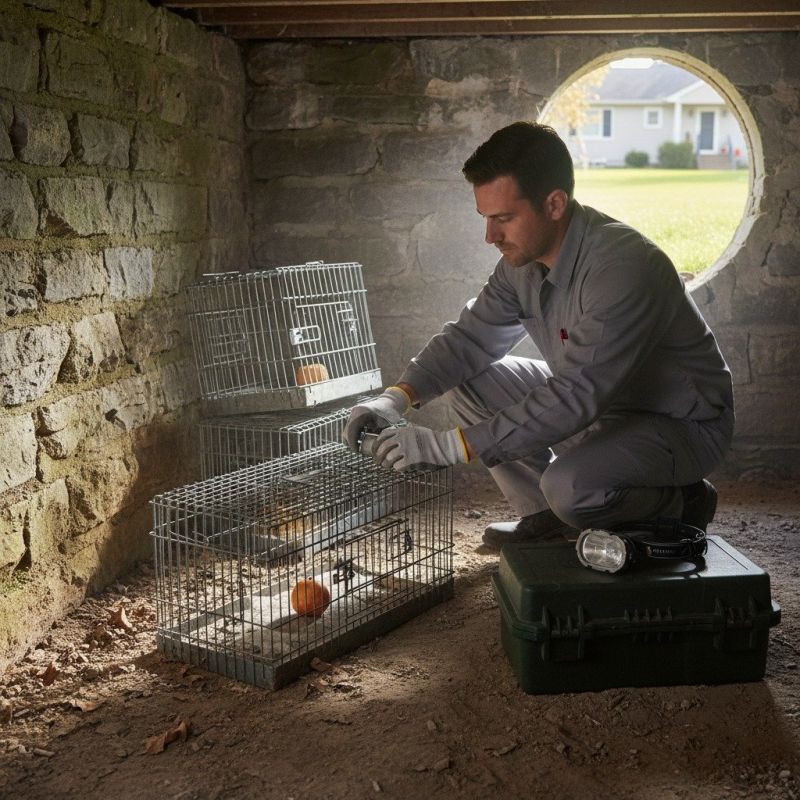
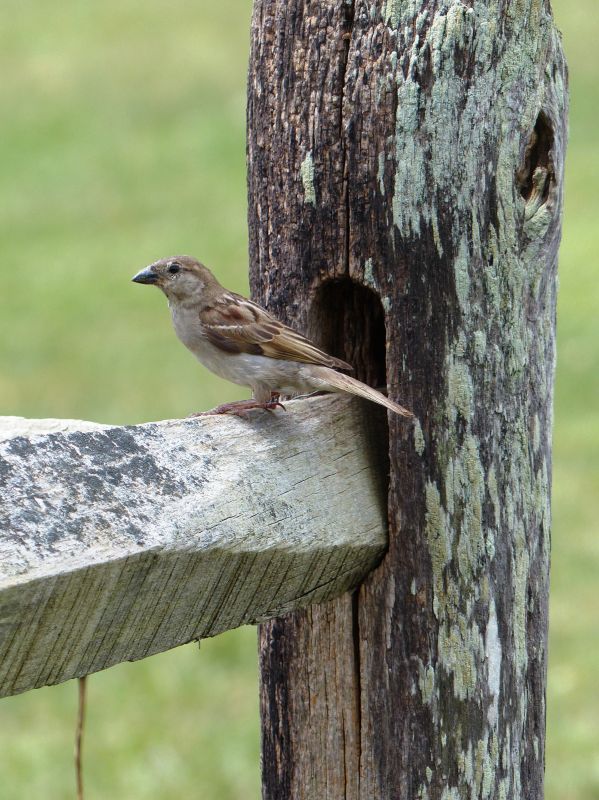
Seasonal wildlife issues homeowners should watch for often relate to animals seeking shelter or food as seasons change. During spring and summer, many creatures such as raccoons, squirrels, and birds become more active around homes, especially in attics, chimneys, and roof eaves. These animals may attempt to nest in or around the property, leading to potential damage or health concerns. In fall and winter, animals like bats or rodents may seek warmth inside walls or attics, increasing the risk of infestations. Recognizing these patterns helps homeowners understand when wildlife problems are most likely to occur and why timely intervention is important.
Problems associated with seasonal wildlife issues typically involve property damage, contamination, and potential health hazards. Animals nesting in attics or inside wall cavities can cause structural damage, chew wiring, or leave behind waste that may foster mold growth. Birds or bats roosting in eaves or chimneys might create noise disturbances or droppings that stain or deteriorate building materials. Additionally, some wildlife species carry parasites or diseases that can pose risks to residents. Planning for seasonal wildlife management often involves inspections and preventative measures to minimize these issues before they escalate into costly repairs or health concerns.
Certain types of properties are more prone to seasonal wildlife issues, especially those with accessible entry points or older construction features. Homes with damaged or missing vents, gaps in soffits, or poorly sealed windows are more vulnerable to animal intrusion. Rural properties or homes near wooded areas tend to experience higher activity levels, as wildlife naturally gravitates toward these environments for shelter and food sources. Additionally, properties with large trees close to the structure may offer wildlife easy access to roofs and attics. Understanding the specific vulnerabilities of a property helps homeowners plan effective wildlife prevention and removal strategies.
Local service providers specializing in seasonal wildlife removal play a crucial role in addressing these issues. They can perform thorough inspections to identify entry points and signs of wildlife activity, then recommend appropriate exclusion and removal methods. These professionals are knowledgeable about the behaviors and habits of different species, ensuring that interventions are targeted and humane. Engaging with experienced local contractors helps homeowners manage seasonal wildlife issues efficiently, preventing damage and reducing health risks. Connecting with the right service providers ensures that wildlife concerns are handled properly, especially during peak seasons when animal activity is at its highest.
Gutter Cleaning and Maintenance - Proper gutter cleaning helps prevent animal nesting and water damage caused by seasonal wildlife activity around the home.
Attic Insulation and Ventilation - Ensuring adequate insulation and ventilation can reduce the likelihood of wildlife seeking shelter inside attics during seasonal changes.
Roof Repair and Inspection - Regular roof inspections identify potential entry points that wildlife may exploit during seasonal wildlife issues homeowners should watch for.
Fence and Barrier Installation - Installing barriers can deter wildlife from entering yards or gardens, addressing seasonal wildlife issues homeowners should watch for.
Tree Trimming and Branch Removal - Trimming overhanging branches reduces access points for wildlife and prevents them from nesting on or near the home.
Exclusion and Wildlife-Proofing - Local contractors can help with exclusion techniques to prevent wildlife from re-entering the home during seasonal wildlife issues homeowners should watch for.
When comparing service providers for seasonal wildlife removal, it’s important to consider their experience with similar projects. Homeowners should look for local contractors who have a proven track record in handling seasonal wildlife issues specific to their area. An experienced professional will understand the behaviors of local wildlife and the most effective methods for removal and prevention, which can help ensure the job is done thoroughly and efficiently. Asking for references or examples of past work related to seasonal wildlife issues can provide insight into their familiarity with the challenges homeowners face during different times of the year.
Clear written expectations are essential when selecting a wildlife removal service. Homeowners should seek providers who can articulate what the project will entail, including the scope of work, methods used, and any follow-up or prevention measures. Having these details in writing helps prevent misunderstandings and ensures that the service provider’s approach aligns with the homeowner’s expectations. It’s also beneficial to inquire about warranties or guarantees on the work performed, as this can offer additional confidence in the quality and durability of the solution.
Good communication is a key factor in choosing the right local contractor for seasonal wildlife issues. Service providers who are transparent and responsive can make the process smoother and less stressful. Homeowners should look for professionals who are willing to answer questions, explain their procedures, and provide updates throughout the project. Reputable references can also serve as a useful resource to gauge how well a contractor communicates and whether previous clients felt informed and satisfied with the service. Effective communication helps ensure that homeowners are comfortable with the process and confident in the work being done to address seasonal wildlife issues.
Property owners often search for seasonal wildlife issues homeowners should watch for when they are planning practical projects around their homes and businesses. Local pros provide Seasonal Wildlife Removal services for everyday jobs and straightforward project options.
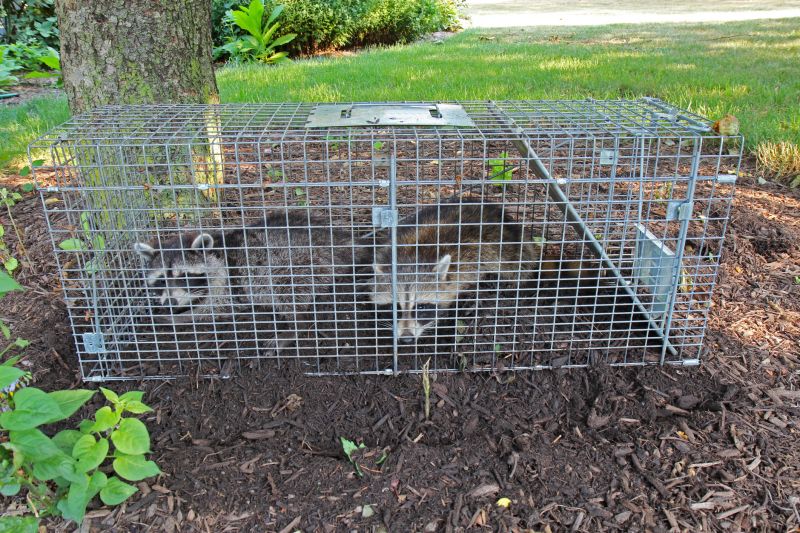
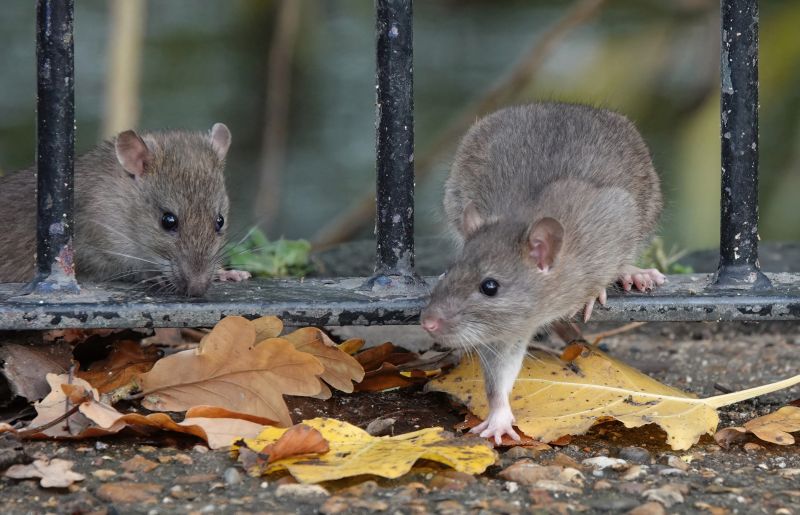
During different seasons, homeowners may notice various signs of wildlife activity that could become problematic if left unaddressed. For example, in spring and summer, birds and small mammals might seek shelter in attics, crawl spaces, or vents, potentially causing damage or creating nests that attract other pests. As temperatures drop in fall and winter, animals such as raccoons, squirrels, and rodents often look for warm places to settle, sometimes squeezing through small openings or gaps in the exterior of a home. Recognizing these seasonal wildlife issues early can help prevent property damage and avoid more complex removal challenges later on.
Homeowners who observe signs like droppings, strange noises, or damaged insulation may consider reaching out to local contractors specializing in wildlife removal services. These professionals are equipped to handle seasonal wildlife issues safely and effectively, ensuring animals are removed humanely and entry points are sealed to prevent future invasions. Connecting with experienced service providers can help address these common seasonal concerns, maintaining the safety and integrity of the home throughout the year.
What are common signs of seasonal wildlife issues homeowners should watch for? Homeowners should look for signs like unusual noises in attics or walls, droppings near entry points, damaged insulation, or nests built on roofs and eaves, which can indicate wildlife presence.
When do wildlife typically become active around homes during different seasons? Many animals become active in spring and fall, seeking food or preparing for hibernation, which increases the likelihood of wildlife issues during these times.
How can homeowners prevent wildlife from entering their homes during seasonal changes? Sealing gaps, repairing damaged screens, and removing debris or food sources around the property can help prevent wildlife from finding entry points as seasons change.
What types of wildlife issues tend to occur in specific seasons? In spring and summer, issues often involve birds, squirrels, and raccoons nesting or foraging; in fall, animals like bats or rodents may seek shelter for the winter.
How can local contractors assist with addressing seasonal wildlife issues? They can identify entry points, safely remove wildlife, and implement exclusion methods to prevent future problems during seasonal wildlife issues homeowners should watch for.
Inspect attic vents - homeowners can check attic vents regularly for signs of wildlife entry and work with local contractors to install barriers that prevent animals from nesting inside.
Seal gaps and openings - identifying and sealing small openings around the home can help prevent seasonal wildlife issues, with local wildlife removal services providing expert assistance.
Remove accessible food sources - eliminating bird feeders, pet food, or uncovered trash can reduce attractants and encourage local pros to help with humane removal if animals become a problem.
Monitor trees and shrubs - keeping an eye on overgrown branches near the home can prevent animals from climbing onto roofs, with local contractors offering solutions to secure or trim problem areas.
If you are thinking about seasonal wildlife issues homeowners should watch for for a property, this guide is meant to help you understand this topic, the typical project types, and how different options might fit your plans.
When you are ready, you can use the quote form on this page to share a few details about your project. From there, local pros can review the basics and follow up with options that match what you have in mind.