Signs Your Commercial Property Has a Small Animal Issue
If signs your commercial property has a small animal issue are present, local service providers can identify the problem and safely remove the animals to protect your space.
If you own or manage a commercial property, noticing early signs of a small animal issue can prevent bigger problems down the line. Unusual noises, droppings, or chewed wiring are common indicators that critters like rodents or small mammals may have found their way inside. Recognizing these signs promptly is essential for maintaining a safe, clean, and well-functioning space. Property owners in the area often explore this topic to protect their investments, avoid costly repairs, and ensure the safety of employees and visitors. Keep reading to learn how to identify these warning signs and discover how local service providers can assist with effective small animal removal.
Understanding the signs your commercial property has a small animal issue can save time and resources. Small animals tend to leave behind telltale evidence such as nests, gnaw marks, or a persistent musty smell, which can signal an infestation. Addressing these issues early with help from experienced local contractors can prevent damage to the building’s structure and reduce health risks. Whether dealing with rodents, squirrels, or other small mammals, connecting with local pros who specialize in small animal removal ensures the problem is handled efficiently and humanely, helping property owners maintain a safe and secure environment.
- Bird exclusion services - when signs your commercial property has a small animal issue include visible nesting or droppings, prompting local contractors to implement humane exclusion methods. Rodent trapping and removal - if there are signs such as gnaw marks or unusual noises, local service providers can set traps and secure entry points to prevent further intrusion. Wildlife damage repairs - evidence of chewed wiring or insulation damage may lead local pros to perform repairs and reinforce vulnerable areas against small animals. Attic and wall inspections - persistent odors or scratching sounds can indicate small animals inside walls or ceilings, with local experts conducting thorough inspections to identify and address the problem. Prevention consultations - noticing frequent sightings or droppings may cause local contractors to advise on sealing entry points and implementing ongoing prevention strategies.
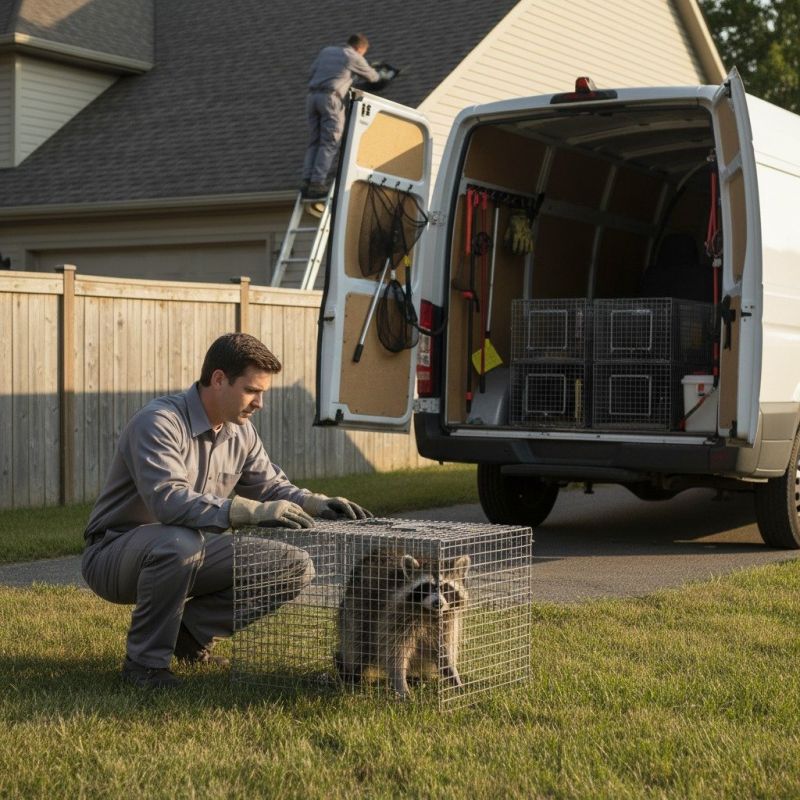
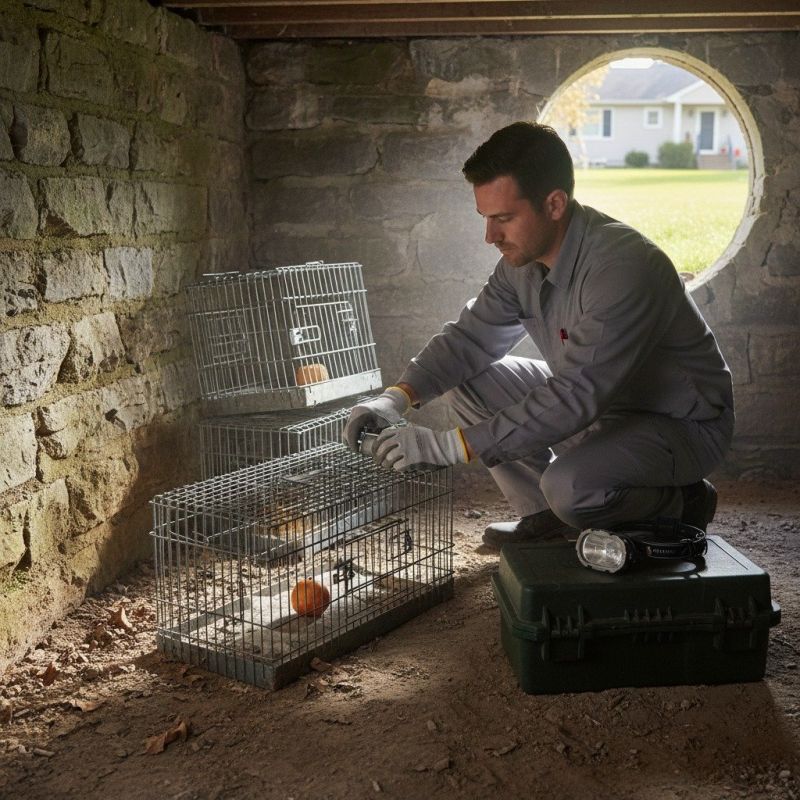
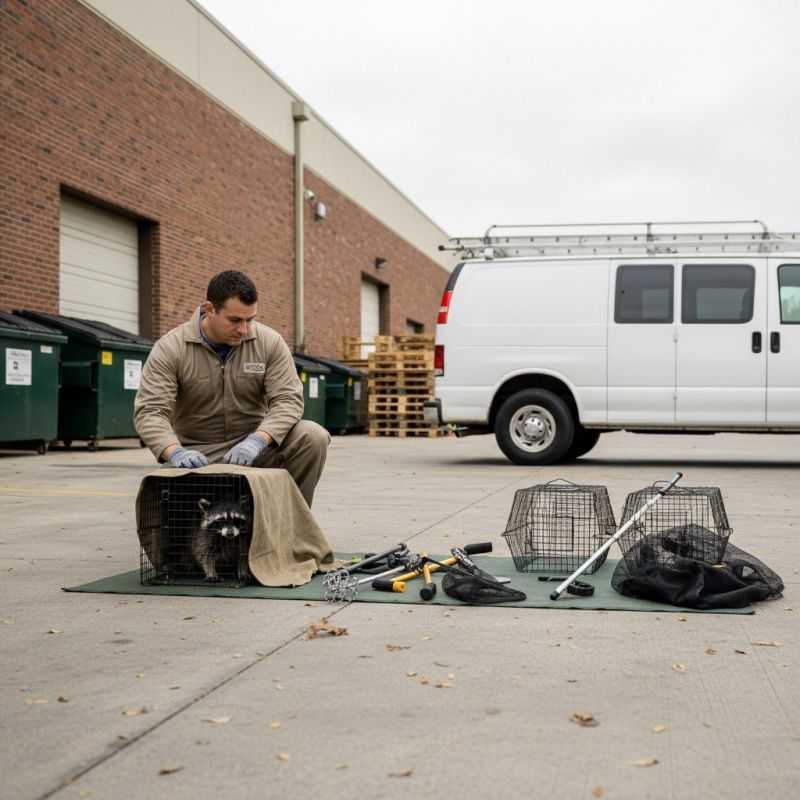
Understanding the signs your commercial property has a small animal issue is essential for maintaining a safe and functional business environment. When searching for this topic, property owners and managers typically want to identify early indicators of unwanted animal presence before significant damage or health concerns develop. Small animals such as rodents, squirrels, or raccoons can infiltrate commercial spaces, especially those with accessible entry points or storage areas. Recognizing subtle signs like unusual noises, droppings, or chewed wiring can help prevent larger problems down the line. This awareness is particularly relevant for businesses that store inventory, handle food, or operate in buildings with less frequent inspections, as these environments are more vulnerable to small animal intrusions.
The issues related to small animal presence on commercial properties often extend beyond mere nuisance. These creatures can cause structural damage by gnawing on wood, insulation, or electrical wiring, which may lead to costly repairs or safety hazards. Additionally, small animals can carry diseases that pose health risks to employees and visitors, making early detection and removal crucial. For property owners planning to address these issues, understanding the signs helps inform decisions about when to seek professional assistance. Local service providers specializing in small animal removal can evaluate the property, identify entry points, and implement humane removal strategies. Addressing these problems promptly helps prevent infestations from escalating, ensuring the property remains secure and compliant with health standards.
Certain types of properties are more prone to small animal issues due to their design, location, or usage. Warehouses, retail stores, office buildings, and industrial facilities often have storage areas, gaps, or structural features that attract small animals seeking shelter or food sources. Properties situated near wooded areas, water sources, or with poor sealing around foundations are particularly susceptible. Commercial properties with extensive landscaping or outdoor storage can also inadvertently invite animals to nest or forage nearby. Recognizing the specific vulnerabilities of different property types helps owners and managers implement targeted prevention measures and know when to involve local contractors who specialize in small animal removal.
For those managing commercial properties, understanding the signs of a small animal issue connects directly to ongoing maintenance and safety plans. Detecting early warning signs-such as scratching sounds in walls, droppings in storage areas, or chewed packaging-can prompt timely action. Engaging with experienced local contractors ensures that any small animal problem is handled effectively and humanely, reducing the risk of damage and health concerns. Whether dealing with rodents in a food storage warehouse or squirrels in an office building’s attic, property owners can benefit from professional assessments and removal services. Proper identification of these signs and swift response help maintain a secure, clean, and compliant commercial environment.
Attic and Insulation Inspection - professionals assess attic spaces and insulation for signs of small animal activity, which is crucial for identifying potential infestations related to signs your commercial property has a small animal issue.
Building Damage Repair - contractors specializing in structural repairs can address damage caused by small animals, helping to prevent further issues linked to signs your commercial property has a small animal issue.
Pest and Wildlife Exclusion - experts install barriers and entry point seals to prevent small animals from entering buildings, directly addressing concerns raised by signs your commercial property has a small animal issue.
Rodent and Wildlife Damage Prevention - service providers focus on identifying vulnerabilities in building exteriors that small animals exploit, aiding in the mitigation of signs your commercial property has a small animal issue.
Vent and Duct Inspection - specialists examine vents and ductwork for nests or damage caused by small animals, which can be an indicator of signs your commercial property has a small animal issue.
Structural Damage Assessment - contractors evaluate the integrity of walls, roofs, and foundations for signs of small animal intrusion, supporting efforts to address signs your commercial property has a small animal issue.
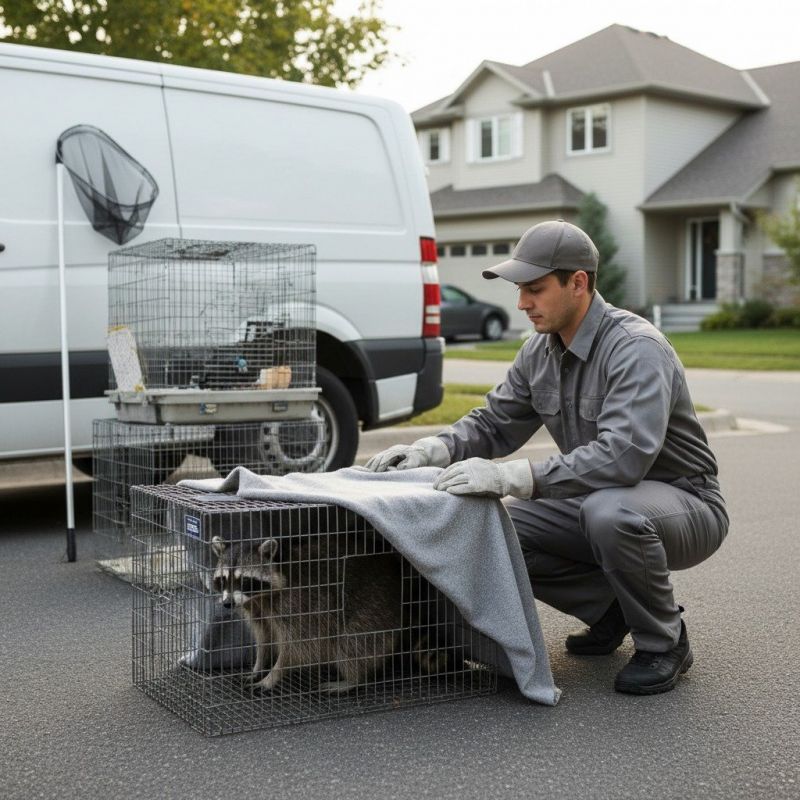
When evaluating service providers for small animal removal on a commercial property, it’s important to consider their experience with similar projects. Contractors who have handled small animal issues in commercial settings are more likely to understand the specific challenges that can arise, such as access points or structural concerns unique to business properties. Asking about their past work can help gauge whether they have the practical knowledge needed to effectively identify signs of small animal activity and implement appropriate removal strategies.
Clear written expectations are essential to ensure both parties are aligned on the scope of work, methods used, and what the removal process will entail. Service providers should be willing to provide detailed descriptions of their approach, including inspection procedures, removal techniques, and follow-up measures. Having this information in writing can help prevent misunderstandings and ensure that the process addresses the signs your commercial property has a small animal issue comprehensively and professionally.
Reputable references and good communication are key indicators of a reliable contractor. Service providers who can offer references from previous commercial clients demonstrate their ability to deliver consistent results. Additionally, clear and responsive communication throughout the process helps ensure questions are answered and concerns addressed promptly. These qualities contribute to a smoother experience and increase confidence that the small animal removal will be handled effectively, reducing the risk of ongoing issues on the property.
Property owners often search for signs your commercial property has a small animal issue when they are planning practical projects around their homes and businesses. Local pros provide Small Animal Removal services for everyday jobs and straightforward project options.
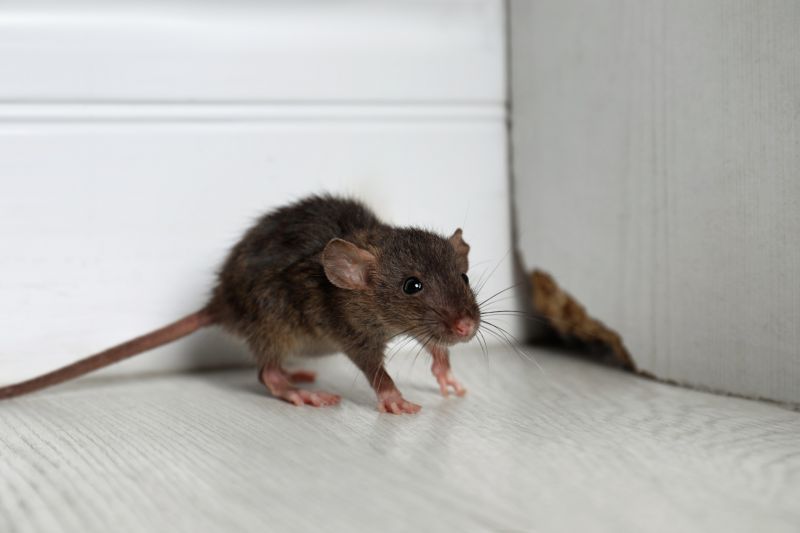
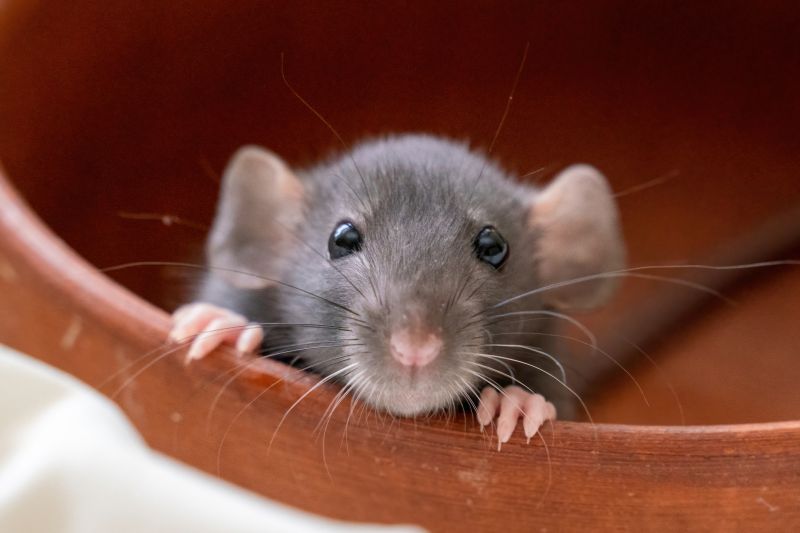
Recognizing the signs that a commercial property has a small animal issue can help property owners address potential problems early. Common indicators include strange noises such as scratching or scurrying sounds within walls or ceilings, unusual odors that may suggest nesting or droppings, and visible droppings or nesting materials found in storage areas, attics, or crawl spaces. These signs often appear during routine inspections or maintenance checks and can be mistaken for other issues, making it important to identify them promptly to prevent further damage or health concerns.
When signs of small animal activity are noticed, it’s advisable to consider professional small animal removal services offered by local contractors. These experts can accurately assess the situation, safely remove the animals, and implement measures to prevent future infestations. Relying on experienced service providers ensures that the problem is handled efficiently, helping to maintain the property's integrity and safety for staff and visitors alike.
What are common signs of small animal activity on a commercial property? Unusual scratching sounds, droppings, or chewed wiring can indicate small animal presence. Other signs include nesting materials or damaged insulation. Noticing these signs can help identify potential issues needing professional removal services.
How can I tell if small animals have entered the building? Evidence such as gnaw marks on doors or walls, small holes, or sightings of animals themselves are key indicators. Persistent odors or unexplained noises may also suggest small animals are inside or nearby.
What damage might small animals cause on a commercial property? Small animals can damage wiring, insulation, and structural components, leading to costly repairs. They may also create sanitation issues or compromise building safety if not addressed promptly.
Are there specific areas where small animals are likely to hide? Small animals often hide in attics, crawl spaces, wall voids, or behind stored materials. Checking these areas regularly can help detect early signs of an issue.
When should a business consider professional small animal removal services? If signs of small animal activity persist or damage is evident, it’s advisable to contact local service providers. Professionals can safely and effectively remove animals and prevent future intrusions.
Unusual Noises - Detecting scratching, scurrying, or squeaking sounds inside walls or ceilings can indicate small animal presence, prompting property owners to seek professional removal services.
Droppings and Nests - Finding small animal droppings or nesting materials in storage areas or hidden corners suggests an infestation that local contractors can address effectively.
Chewed Wires or Materials - Noticing chewed electrical wiring, insulation, or stored items can be a sign of small animals, encouraging property owners to consult with specialists for safe removal.
Unpleasant Odors - Persistent musty or foul smells may point to hidden small animal activity, leading to professional inspection and removal by experienced service providers.
If you are thinking about signs your commercial property has a small animal issue for a property, this guide is meant to help you understand this topic, the typical project types, and how different options might fit your plans.
When you are ready, you can use the quote form on this page to share a few details about your project. From there, local pros can review the basics and follow up with options that match what you have in mind.