Health Risks Associated With Wildlife Living in or Around Your Home
Wildlife removal experts can help protect your health by safely removing animals that pose risks of disease, contamination, or structural damage around your home.
Understanding the health risks associated with wildlife living in or around your home is an important step for property owners concerned about safety and well-being. Animals such as rodents, bats, raccoons, and birds can carry diseases or parasites that pose serious health threats to humans and pets alike. Recognizing the signs of wildlife intrusion and knowing how to address potential hazards can help prevent the spread of illness and protect your household. Local service providers specializing in wildlife removal are equipped to assess your property, safely eliminate unwanted animals, and reduce the risk of health-related issues linked to wildlife presence.
For property owners in the area, exploring this topic is a practical move to maintain a safe living environment. Wildlife can often find ways into attics, basements, or wall cavities, creating ongoing health concerns if not managed properly. Engaging with experienced wildlife removal contractors ensures that any access points are sealed and that animals are removed humanely and efficiently. Keeping wildlife at bay not only minimizes health risks but also helps preserve the integrity of your property. Keep reading to learn more about common hazards and how local experts can assist in creating a safer, wildlife-free home.
- Wildlife exclusion services - when animals such as bats or raccoons are living in your attic, local contractors can remove them safely to reduce health risks associated with wildlife living in or around your home. Pest proofing solutions - if droppings or nests are found in your walls or ceilings, local service providers can eliminate entry points to prevent further contamination and health hazards. Wildlife trapping and removal - in cases where animals are causing contamination or spreading disease, local pros can humanely trap and relocate wildlife to minimize health risks associated with wildlife living in or around your home. Attic and crawl space sanitation - when wildlife has invaded these spaces, local contractors can clean and disinfect to address health risks associated with wildlife living in or around your home. Damage repair and prevention - after wildlife removal, local service providers can repair entry points and prevent future infestations to maintain a healthy living environment.
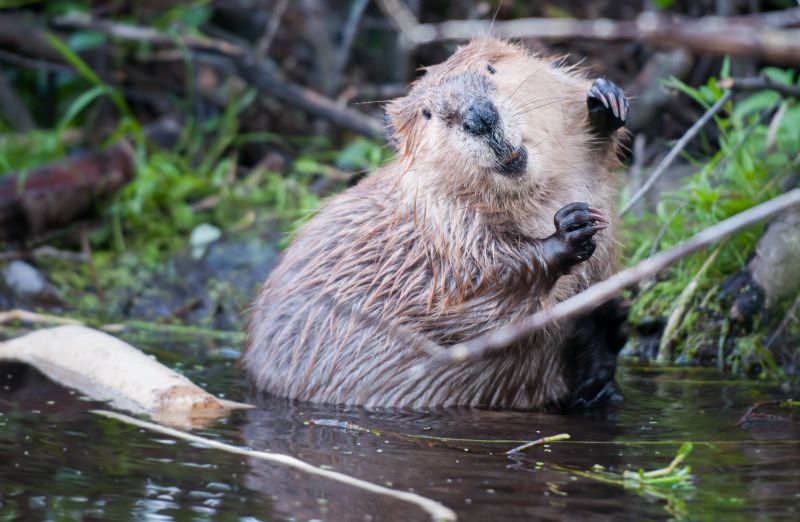
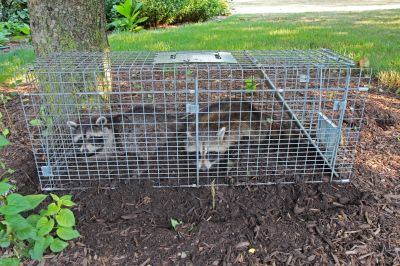
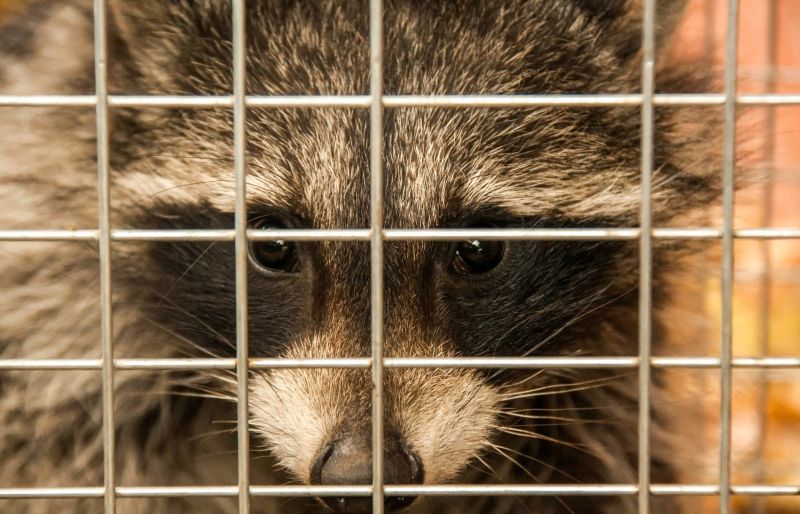
When people search for health risks associated with wildlife living in or around their home, they are typically concerned about the potential dangers that animals such as raccoons, squirrels, bats, and birds can bring into their living spaces. These animals often seek shelter in attics, crawl spaces, or wall cavities, which can lead to direct contact or contamination of areas used regularly by residents. Homeowners may be worried about the transmission of diseases, parasites, or bacteria that wildlife can carry, along with the possibility of structural damage caused by their nesting habits. Understanding these health concerns helps homeowners recognize the importance of timely wildlife removal and prevention efforts to protect their household’s health.
This topic is closely related to a variety of property-related problems and planning efforts. Many homeowners discover wildlife living in or around their homes when noticing unusual noises, foul odors, or droppings in their attic or yard. These signs often prompt concerns about potential health hazards, prompting plans to remove the animals and prevent future invasions. Wildlife living in or around a property can also lead to issues like contaminated insulation, compromised wiring, or damage to roofing and siding, which may necessitate repairs. Planning for wildlife removal services becomes an essential step in safeguarding both the property’s integrity and the health of its occupants.
Properties most commonly affected by wildlife living in or around them include those with accessible entry points, such as homes with gaps in siding, poorly sealed vents, or damaged roofing. Rural properties, suburban houses, and even some urban buildings can be vulnerable, especially if they have nearby trees, overgrown vegetation, or unsealed crawl spaces that provide easy access for animals. Attics and basements are typical nesting sites for wildlife, and the presence of these animals often indicates an entry point that needs to be sealed to prevent re-infestation. Recognizing the types of properties prone to wildlife issues helps homeowners understand when professional wildlife removal services are needed to address health risks and repair vulnerabilities.
Local wildlife removal service providers play a crucial role in addressing health risks associated with wildlife living in or around homes. These professionals are equipped to safely and humanely remove animals from indoor and outdoor spaces, reducing the risk of disease transmission and further property damage. They also identify entry points and recommend repairs to prevent future invasions, which is vital for maintaining a healthy living environment. Engaging experienced service providers ensures that wildlife is handled appropriately, and that homes are restored to a safe, animal-free condition. For homeowners concerned about health risks, connecting with local pros offers a practical solution for managing wildlife-related problems effectively.
Wildlife exclusion projects involve sealing entry points to prevent animals from entering homes, reducing health risks associated with wildlife living in or around your home.
Pest inspection services help identify signs of animal infestations that could pose health hazards due to droppings, nests, or parasites.
Rodent control programs focus on safely removing rodents that can carry diseases and cause contamination in living spaces.
Bat removal services assist in safely removing bats and preventing the spread of diseases like rabies that are linked to wildlife living in or around your home.
Nesting removal projects involve the safe removal of animal nests which can harbor parasites and bacteria posing health risks.
Wildlife habitat modification services help reduce attractants around the home, decreasing the likelihood of wildlife-related health hazards.
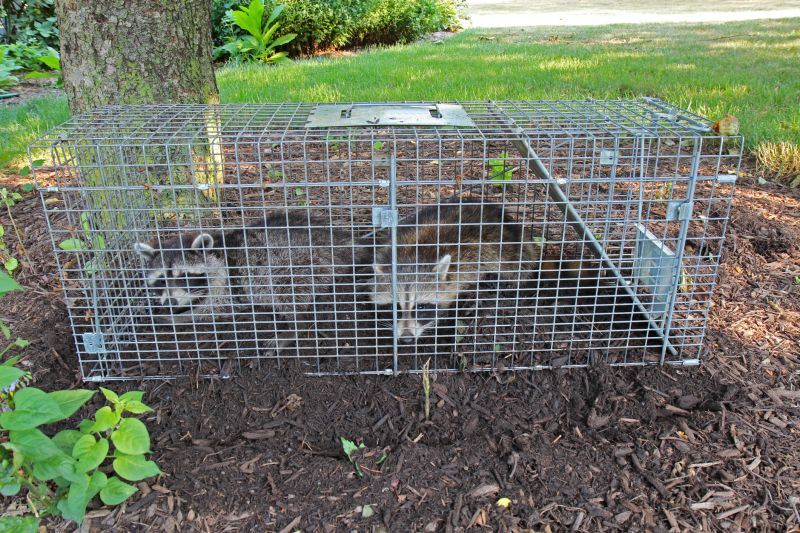
When comparing wildlife removal service providers, it is important to consider their experience with similar projects, particularly those involving wildlife that can pose health risks. An experienced local contractor will have a better understanding of the types of animals common to the area and the best methods for humane and effective removal. This familiarity can help ensure that the wildlife is handled safely and that potential health hazards, such as droppings or nesting materials, are properly addressed to prevent the spread of disease or contamination.
Clear written expectations are essential when evaluating wildlife removal services. A reputable provider should be able to outline the scope of work, including inspection procedures, removal methods, and any necessary cleanup or sanitation steps. Having this information in writing helps homeowners understand what services will be provided and reduces the chances of misunderstandings. It also ensures that the contractor’s approach aligns with the homeowner’s concerns about health risks associated with wildlife living in or around the home.
Reputable references and good communication are key factors when selecting a local contractor for wildlife removal. Service providers with a history of satisfied customers can offer insights into their reliability and professionalism. Good communication ensures that homeowners can ask questions, express concerns, and receive timely updates throughout the process. This level of transparency helps homeowners feel confident that the wildlife risks are being managed responsibly and that the contractor is attentive to health and safety considerations during the project.
Property owners often search for health risks associated with wildlife living in or around your home when they are planning practical projects around their homes and businesses. Local pros provide Wildlife Removal services for everyday jobs and straightforward project options.
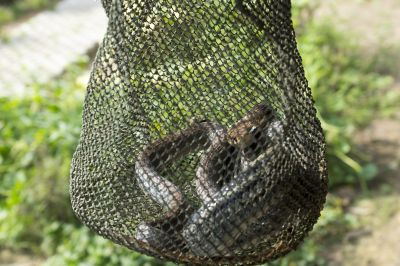
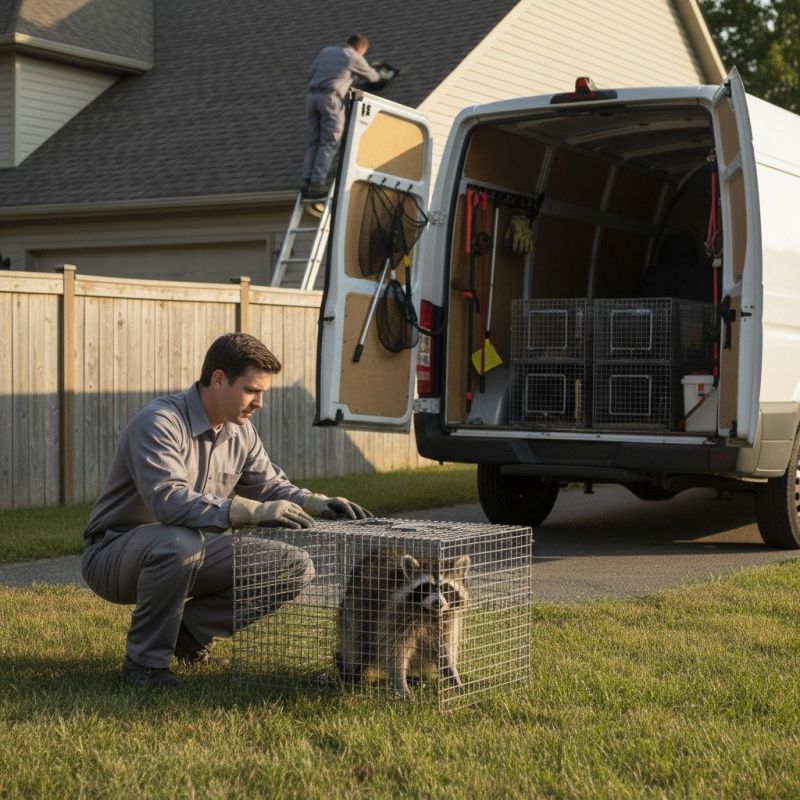
Wildlife living in or around a home can pose various health risks that property owners should be aware of. Animals such as bats, raccoons, squirrels, and birds often seek shelter in attics, crawl spaces, or wall cavities, creating potential for the spread of diseases like rabies, histoplasmosis, and parasites such as fleas and ticks. These health hazards can be especially concerning for households with children, pets, or individuals with compromised immune systems. Recognizing signs of wildlife intrusion and understanding the risks involved can motivate property owners to seek assistance from local contractors experienced in wildlife removal, ensuring that any unwanted animals are safely and humanely removed.
In addition to disease transmission, wildlife can introduce other health concerns through contamination or structural damage. Droppings and nesting materials can harbor bacteria and fungi, which may become airborne and cause respiratory issues or allergic reactions. The presence of animals can also lead to damage to insulation, wiring, or building materials, potentially creating additional hazards. Engaging with local service providers who specialize in wildlife removal can help address these issues effectively, reducing the risk of health problems and preventing further damage to the property. Proper removal and exclusion methods are essential steps in maintaining a safe and healthy home environment.
What health risks are associated with wildlife living in or around a home? Wildlife can carry diseases such as rabies, hantavirus, and salmonella, which pose health risks to residents. Local contractors can help remove these animals safely to reduce exposure to these health hazards.
How can wildlife in my home affect my family's health? Animals like rodents and bats can transmit parasites and bacteria that may cause illnesses. Professional wildlife removal services can eliminate these risks by safely removing the animals and preventing future infestations.
Why is it important to address wildlife presence promptly? Delaying removal can increase the risk of disease transmission and structural damage. Local service providers can quickly and effectively handle wildlife issues to minimize health dangers.
Are there specific health concerns related to bats living in or around a home? Bats can carry diseases such as rabies and histoplasmosis, which can impact human health. Wildlife removal experts can safely remove bats and prevent health risks associated with their presence.
What steps do wildlife removal professionals take to protect health during removal? They use specialized equipment and techniques to safely remove animals and minimize exposure to diseases, helping to maintain a healthier living environment.
Identify entry points - property owners can work with local contractors to find and seal gaps or holes where wildlife may enter, reducing health risks associated with wildlife living in or around your home.
Install deterrents - using humane deterrents recommended by local pros can help discourage wildlife from nesting or roosting in attic spaces or around the foundation.
Remove nesting sites - professional wildlife removal services can safely and effectively remove nests, which can decrease exposure to parasites and diseases.
Schedule regular inspections - periodic checkups by local service providers can help detect early signs of wildlife activity, minimizing health risks associated with wildlife living in or around your home.
If you are thinking about health risks associated with wildlife living in or around your home for a property, this guide is meant to help you understand this topic, the typical project types, and how different options might fit your plans.
When you are ready, you can use the quote form on this page to share a few details about your project. From there, local pros can review the basics and follow up with options that match what you have in mind.